

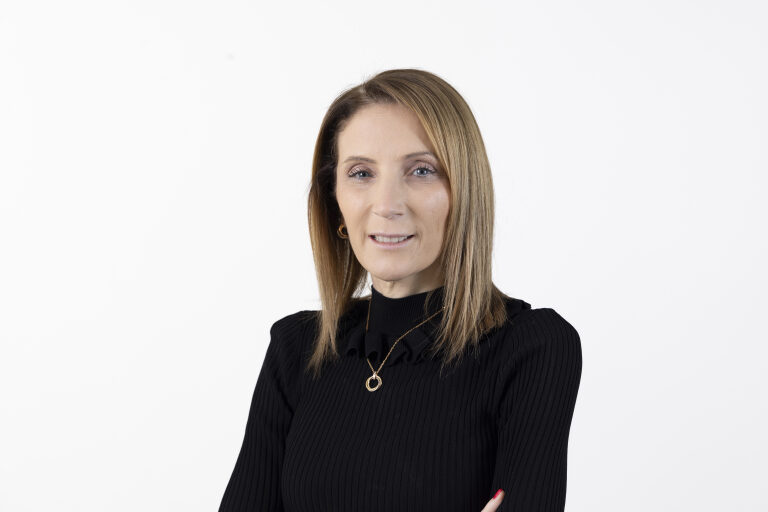
Nicola Trivett
General Manager & Sustainability Leader
Maybe you look after a building. Maybe you are planning a new office here in the UAE. Either way, you have probably felt the ground shift under the words green building this past year. The standards keep rising. And it is not always easy to tell what really matters from what is just noise.
So let us clear one thing up, because it matters for anyone with a commercial project on the horizon.
Here is what happened.
On 30 June 2026, most commercial LEED v4 and v4.1 registrations closed (US Green Building Council). Since 1 July 2026, new commercial projects register under LEED v5 instead. It happened quietly, but it raises the bar for what a green building has to prove.
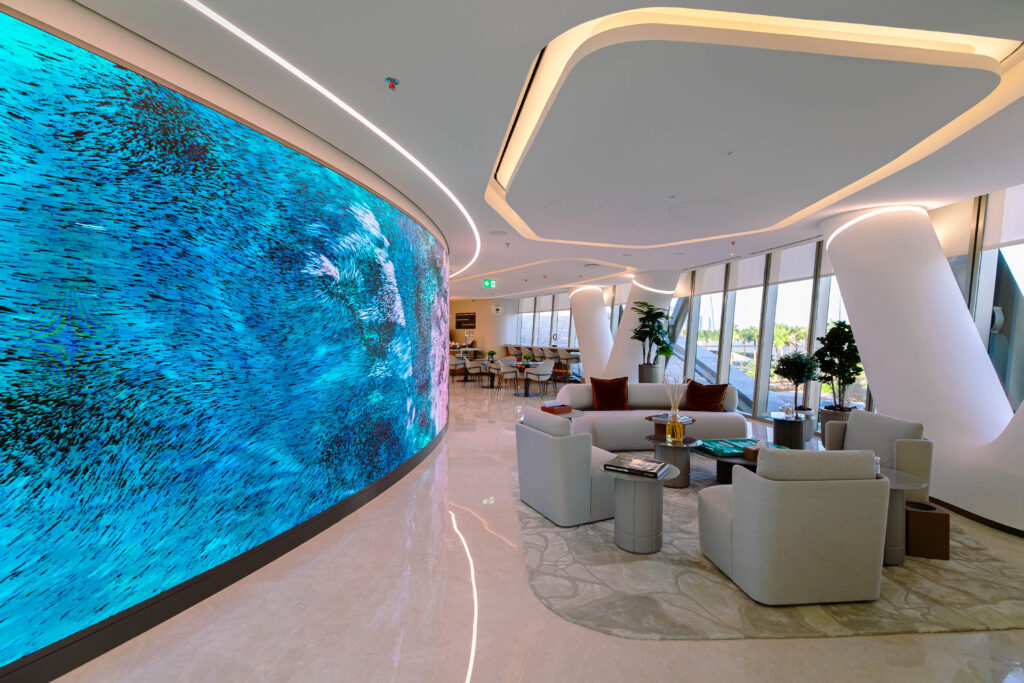
The good news? None of this should daunt you. If anything, it is an opportunity, and one we would love to help you take. Here is what has changed, what it means for your next fit-out, and how we would approach it together.
LEED v5 vs LEED v4: What Changed on 30 June 2026
The mechanics are simpler than the headlines suggest. Register any new commercial project today and it falls under LEED v5. That holds whether it is building design and construction, an interior fit-out, or operations and maintenance. The older versions no longer take new registrations.
If you already have a project in motion, take a breath, because there is real comfort here. Did you register under v4 or v4.1 before the deadline? Then your project carries on exactly as planned. Those projects keep their own timelines. You can still certify them up to the published sunset dates (US Green Building Council).
So this is not a scramble to re-certify work that is already under way. It only touches new projects. But if a fit-out sits anywhere on your horizon, LEED v5 is the one to design around now. Right from the first sketch.
LEED v5 Requirements: Why Decarbonisation Takes Centre Stage
So what actually changed inside the standard itself? The biggest shift is what LEED now measures most heavily.
LEED v5 organises its credits around three impact areas (US Green Building Council). Decarbonisation carries half of them. Ecological conservation and restoration, and quality of life, share the rest. In plain terms, cutting carbon is now the heart of the standard.
What makes this more demanding is that it counts carbon twice over.
The first kind is operational carbon, the energy a space uses once people move in. Good design has always tried to bring that down. The second is embodied carbon, the emissions baked into making and moving the materials themselves. This is where the thinking really has to change.
Take a beautiful, energy-efficient office. If its materials carry high carbon and travelled halfway around the world, it no longer tells the full story. LEED v5 asks you to account for both. That pushes sourcing and material choices right to the front of a project, where they belong.
Why Embodied Carbon Matters So Much in the UAE
Here is where the UAE has something specific to weigh. Embodied carbon lives in materials, and materials travel. In a market where much of what goes into a fit-out is imported, those journeys add up. Every shipped batch of steel, stone or joinery carries its own carbon before it ever reaches your floor.
That gives local sourcing real weight under LEED v5. Choosing regional materials, where they meet the spec, trims transport emissions in a way the standard now recognises. It often shortens lead times too, which helps your programme as much as your carbon count.
This is one reason we built our supply chain around local, low-carbon options years ago. So when a client asks how to bring embodied carbon down, we are not starting from scratch. We already know which regional suppliers meet the mark, and where an imported material is still the right call. Under v5, that knowledge turns straight into credits.
What LEED v5 Means for Your Commercial Fit-Out in the UAE
For businesses here, the effect is practical. The people you choose to work with matter earlier than they used to. Your choice of commercial fit-out contractor is no longer a late-stage decision.
Material choices lock in embodied carbon long before anyone picks up a tool. It comes down to what you specify and how far it travels to site. So your contractor needs a seat at the table during design, not after it.
The encouraging part is that this rewards habits worth having anyway. Local, low-carbon materials cut transport emissions and strengthen a project’s carbon case. Diverting waste from landfill does the same.
It is work we already hold ourselves to. In 2024, we diverted 58% of our project waste away from landfill. That is more than double the industry average. And it is exactly the discipline the new standard values.
The point is simple. LEED v5 turns sustainable delivery from a nice-to-have into something you plan and measure. Right from the first meeting.
Becoming an Early LEED v5 Adopter in the UAE
LEED v5 is still new, here and around the world. I think that is exactly where the opportunity sits.
We are fully behind the new framework. And we would love to help the businesses who want to be early adopters here in the UAE. There is something quietly powerful about being first. You hold a space that is ready for where the market is heading, rather than catching up later.
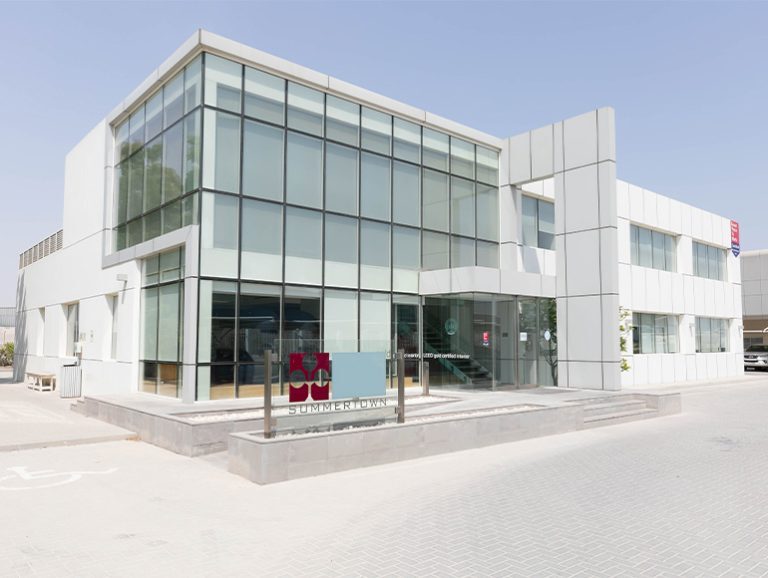
That readiness rests on a long LEED foundation. Summertown was the first fit-out contractor in the UAE to occupy LEED Gold certified interiors. That was our own headquarters in Jebel Ali Free Zone. We have held LEED Gold for operations and maintenance ever since.
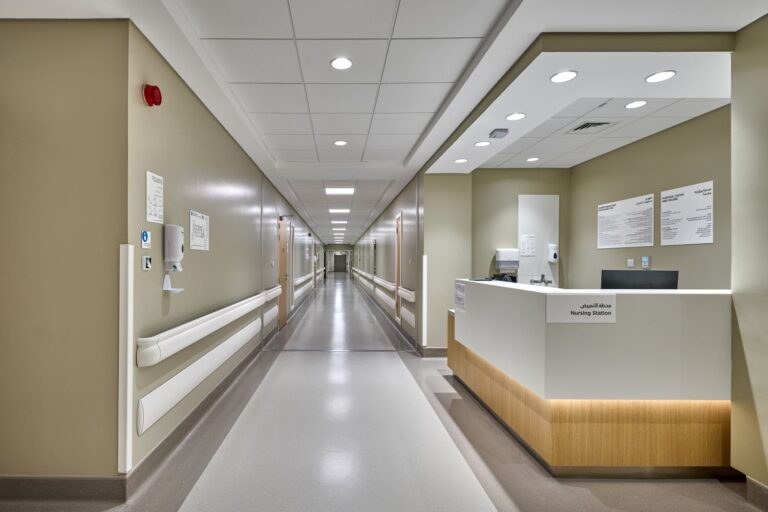
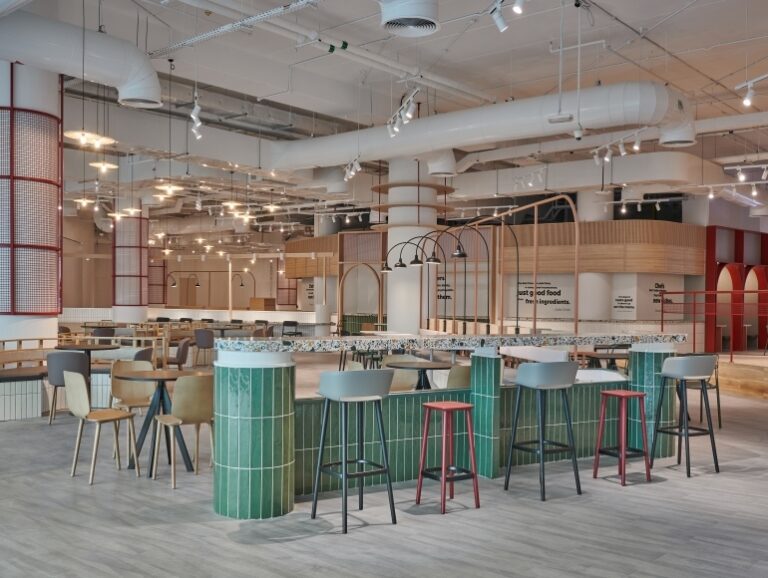
Since then, we have delivered more than thirty LEED-certified projects across offices, healthcare, education and hospitality.
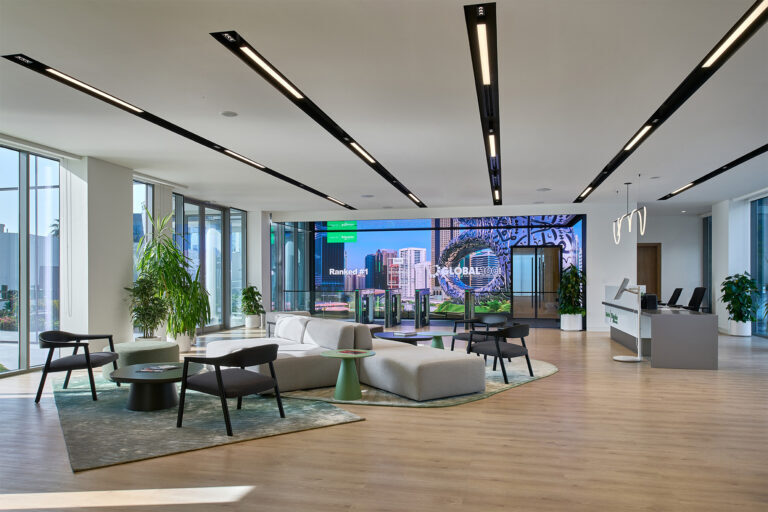
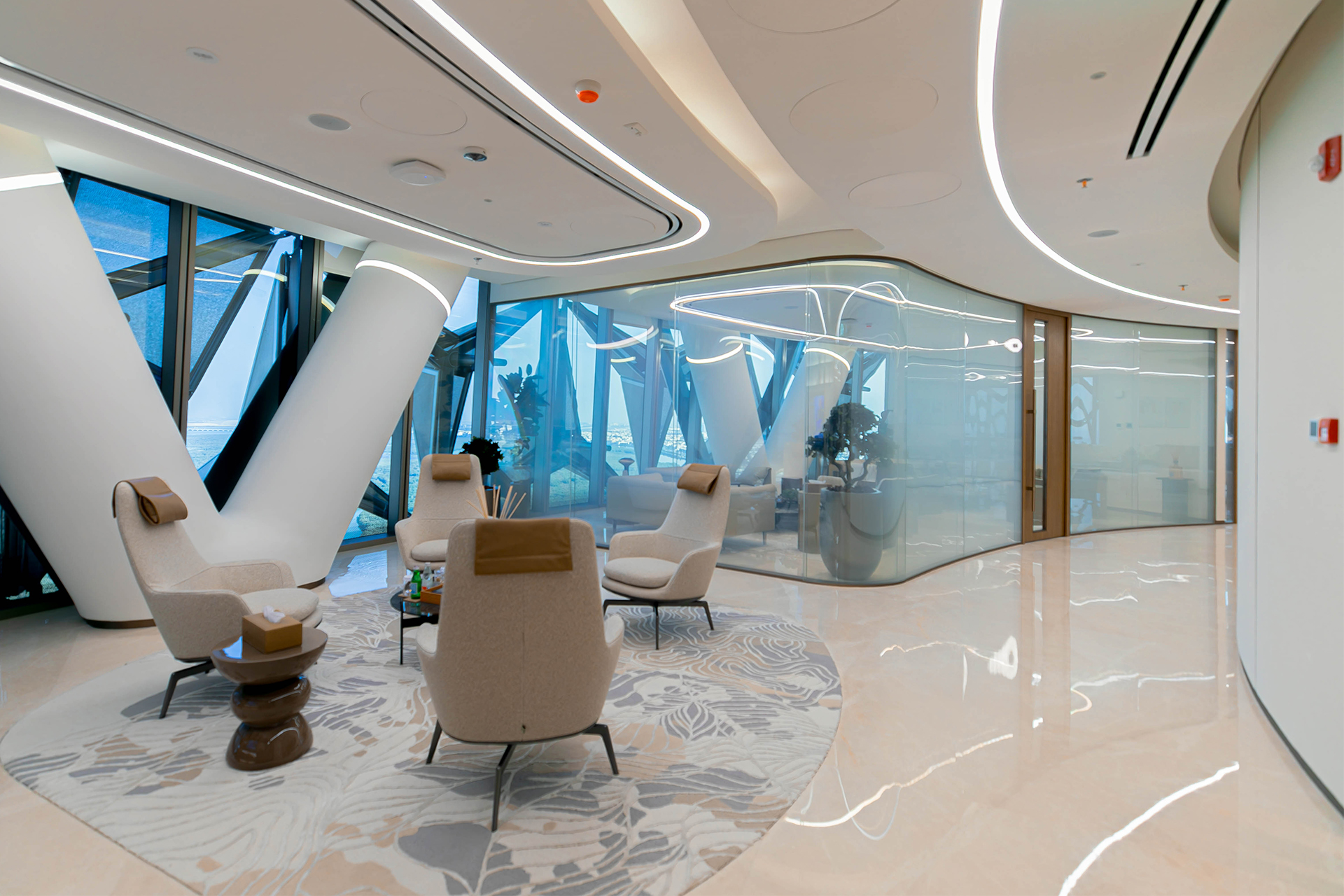
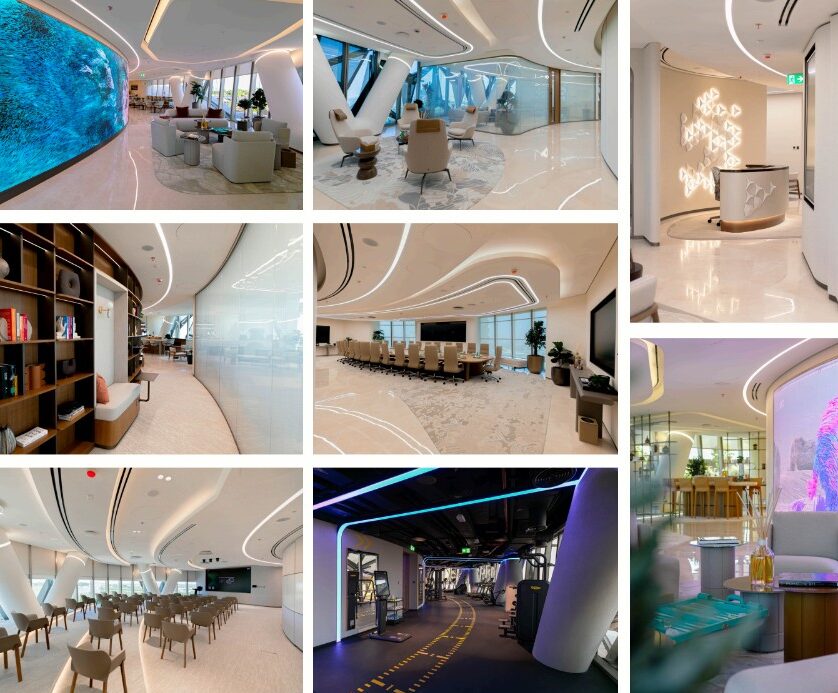
We completed a turnkey fit-out of over 5,000 square metres for Schneider Electric’s Dubai headquarters, and it achieved LEED certification. More recently, we transformed five floors for the Abu Dhabi Investment Council at Al Bahr Tower, a 2,748 square metre workplace for around 250 people, delivered in 296 days inside a live building. Sustainability shaped that brief from the first day, and the project is pursuing LEED Gold. You can read how we delivered it in our ADIC office fit-out in Abu Dhabi.
We delivered none of that under v5, because the framework is only now becoming the standard for new work. But it is the exact groundwork that readiness needs. Our LEED accredited professionals know the process inside out. Our supply chain already leans towards local, low-carbon materials. Our delivery already measures what v5 rewards, from embodied carbon to waste diversion. Stepping up to the new standard is a natural next step for us, not a leap into the unknown.
Need to build the case internally? We also created the region’s first LEED ROI calculator. It shows the value of certification in real numbers, before you commit to anything.
How to Prepare for LEED v5 on Your Next Fit-Out
So where does all this leave you?
Already registered under LEED v4 or v4.1? Carry on with confidence. Your path holds, and nothing here changes it.
If you are starting something new, a few simple moves make the difference. Set your certification target early, before the design is locked. It shapes every choice that follows. Pick a partner who has certified spaces before, and bring them in during design, not after. Ask how they track embodied carbon and waste, and ask them to show you. Then look hard at your materials. Favour local and low-carbon where the spec allows, and question anything that has to travel a long way. And run the numbers before you commit, so the decision rests on evidence rather than hope.
There is a genuine reward in moving early, too. The framework is still finding its feet in the region. So the businesses that act now get to lead rather than follow. It also points the same way as the UAE Net Zero 2050 vision. In other words, you build towards where the whole country is heading.
Buildings that can prove their carbon performance will hold their value. Those that cannot will start to feel dated long before their owners expect.
LEED v5 in the UAE: Common Questions
Still weighing it up? A few questions come up again and again, so here are straight answers.
Do I need to re-certify my existing LEED v4 project?
No. If you registered under v4 or v4.1 before 30 June 2026, your project runs on its original path, and you can certify it up to the published sunset dates (US Green Building Council). The change touches new registrations only.
Is LEED v5 harder than v4?
It asks more in places, decarbonisation most of all, since half the credits now sit there (US Green Building Council). With the right partner and an early start, though, it is very achievable. The work simply moves further up the timeline.
Can we still pursue LEED in the UAE under v5?
Yes. The standard is live for new commercial projects here right now. If you want to be among the first in the region to certify under it, that door is open, and we would be glad to walk you through it.
Does being among the first in the UAE to certify under LEED v5 sound like your kind of ambition? Then we would love to talk it through. No pressure, no jargon. Just an honest chat about what it takes and how we would get there together.
Get in touch whenever you are ready, and we will map it out.

Nicola Trivett
General Manager & Sustainability Leader