




Nicola Trivett
General Manager & Sustainability Leader
Article Updated 30/03/2026
As business needs evolve, so does the role of the office. The workplaces we design and deliver today are not static backdrops. They are environments built to enhance productivity, support wellbeing, and reflect how a business actually operates.
After 28 years delivering office fit-outs across Dubai and the UAE, one thing is clear: There is no universal answer to office layout. The right choice depends on your team, your culture, and where your business is heading. What works brilliantly for a fast-paced tech company can quietly undermine a legal or finance team that needs concentrated focus time.
This article shares what we have learnt from delivering commercial fit-outs for some of the UAE’s most recognised organisations, and what you should consider before committing to your next layout.
Open-Plan Layouts Aren’t Always the Best Choice for Efficiency
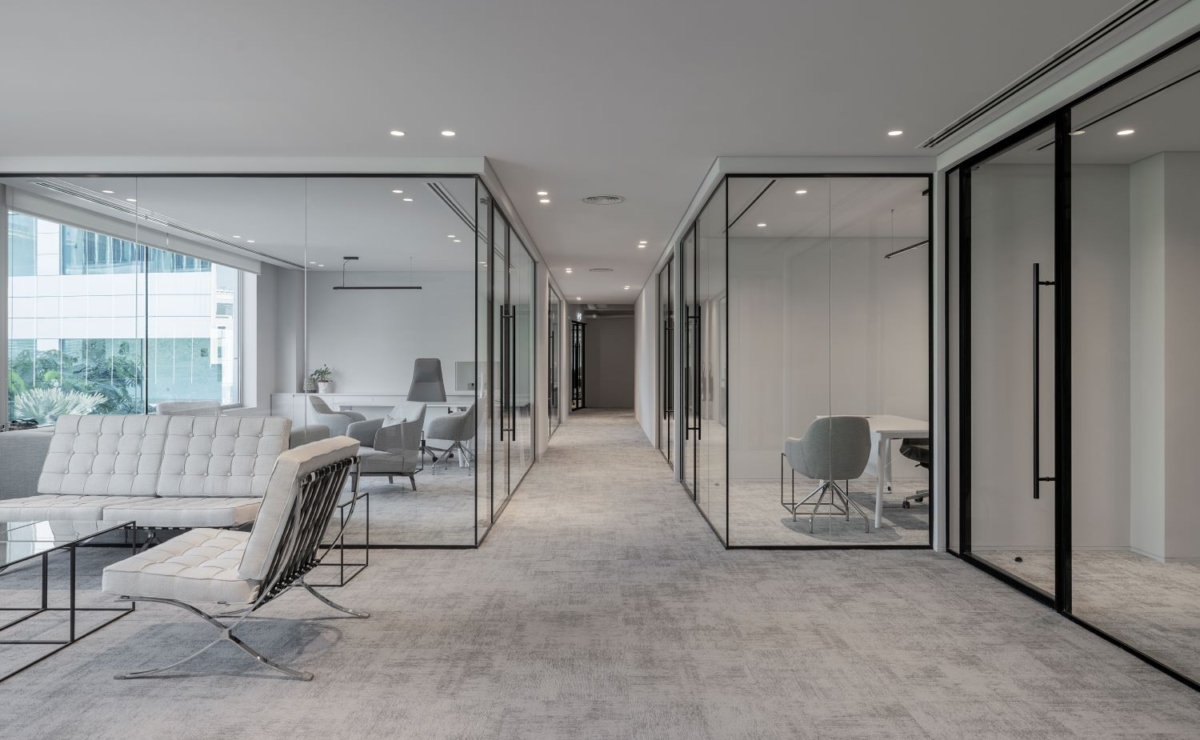
The open-plan office was originally designed to encourage collaboration, increase visibility, and reduce construction costs by removing walls. Open-plan layouts can work well for some organisations – especially those that thrive on constant interaction and fast-paced teamwork, but they aren’t a one-size-fits-all solution. Research shows that open-plan offices may not always be the most efficient choice, particularly for businesses that require a blend of collaborative and focused workspaces.
Studies suggest that open-plan offices often lead to higher noise levels, reduced privacy, and frequent distractions, all of which can negatively impact concentration and productivity. For example, a study in the Journal of Business and Psychology found that employees in open-plan environments experience elevated stress levels due to a lack of quiet areas, making it challenging to focus on complex tasks.
Zoned Workspaces: A Flexible Solution for Enhanced Efficiency
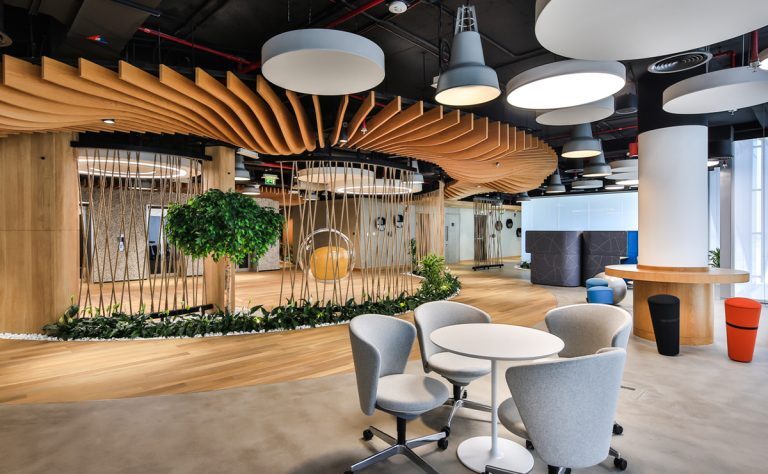
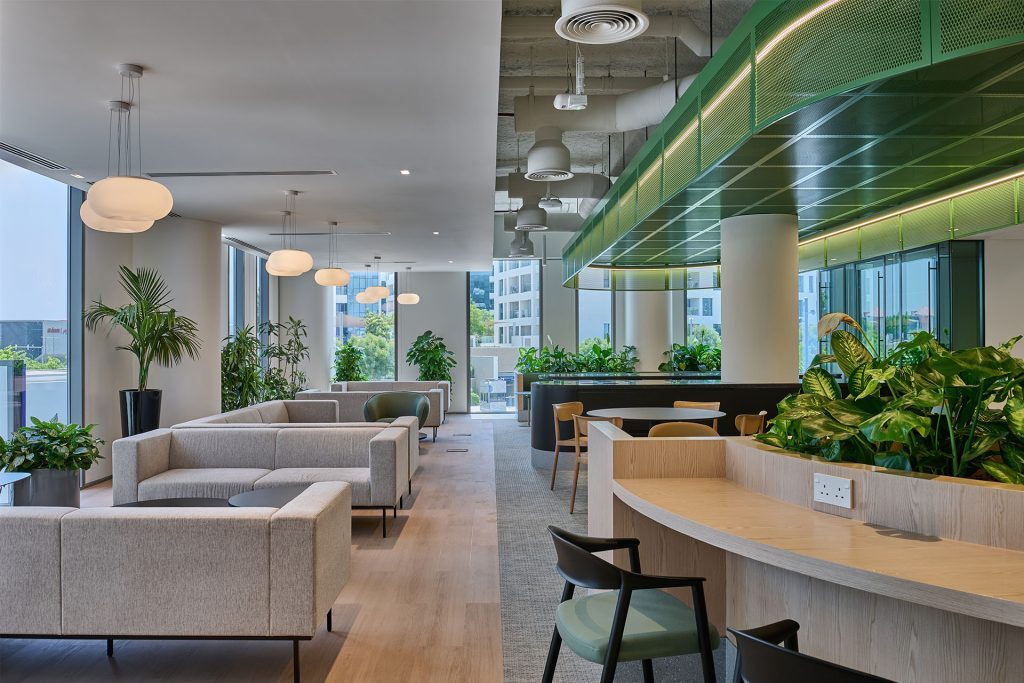
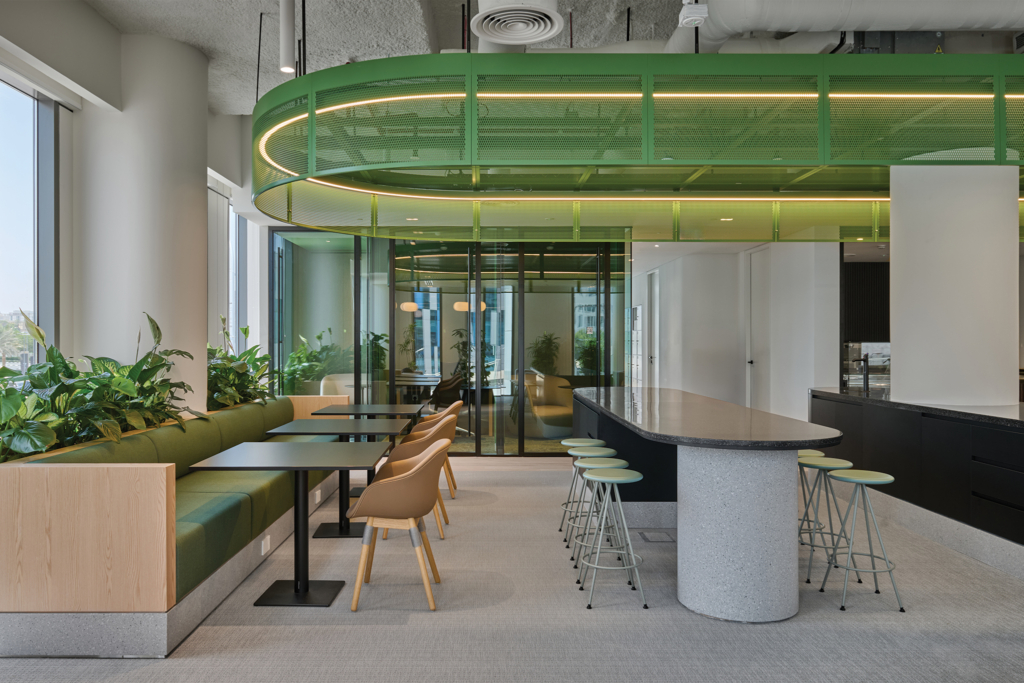
Zoned workspaces divide the office into areas designed for specific types of work: collaboration, focused tasks, informal interaction, and rest. It is the layout we recommend most consistently to clients because it respects the reality of how people actually work throughout a day.
A well-designed zoned office gives your team genuine choice. They can move to an open collaboration area for a brainstorm, shift to a quiet focus zone for deep work, and take a break in a social space that encourages the informal conversations that often produce the best ideas. According to Indeed, access to varied work environments has been directly linked to improved job satisfaction and a stronger sense of autonomy at work.
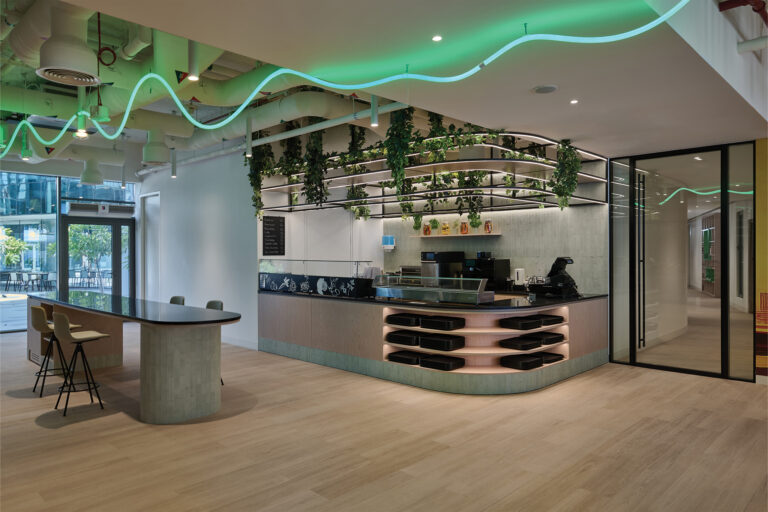
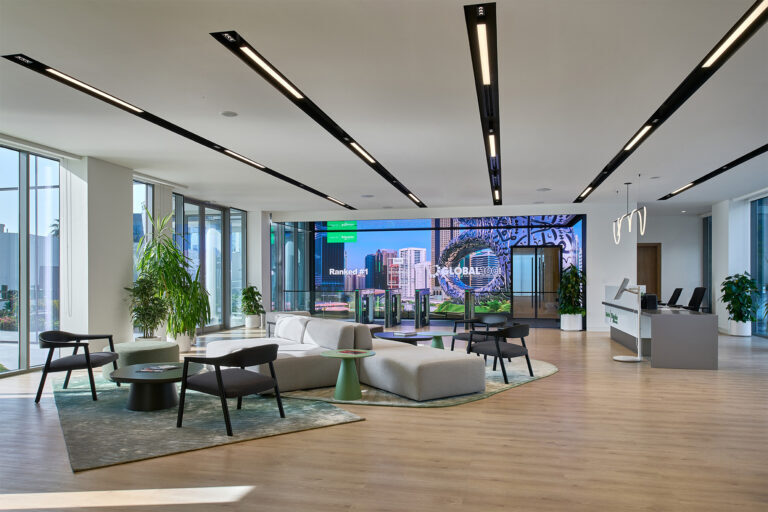
We delivered exactly this approach for Schneider Electric’s Dubai office, The NEST. The project used zoned layouts, biophilic design, and circular fit-out principles to create a workspace that achieved 93% waste diversion and went on to win Sustainable Project of the Year at the Design Middle East Awards 2025. The brief was not just about aesthetics. It was about creating an environment where people could do their best work. Read the full Schneider Electric case study →
Thinking about a zoned office fit-out in Dubai? Our team has delivered workspaces for some of the UAE’s most recognised organisations. Let us help you plan yours. Start a conversation →
Why Sustainability Matters in Efficient Office Design
An efficient office layout considers both space optimisation and responsible resource management. Sustainable office fit outs integrate eco-friendly practices that reduce the environmental impact of a workspace while enhancing employee wellbeing. As environmental awareness grows, more businesses are seeking fit-out solutions that reflect their commitment to sustainability and social responsibility.
A sustainable office fit-out might include elements like energy-efficient lighting, water-saving fixtures, and responsibly sourced materials. In Dubai, where sustainability is increasingly prioritised, fit-out companies work closely with clients to incorporate these eco-friendly features into their offices. For instance, maximising natural light in an office can reduce energy consumption while improving employee mood and focus, creating a more productive and positive workplace. A recent study from ResearchGate highlights the impact that natural light has on productivity, noting that exposure to daylight can improve concentration and reduce eye strain.
Want to know if your project qualifies for free LEED certification? We offer complimentary LEED certified level support for projects over 2,000 sqm, saving you up to AED 120,000. Find out more →
Key Considerations for an Ideal Layout
Selecting the right layout involves understanding your organisation’s goals, how your teams work, and where your business is heading. Here are key points to keep in mind for your fit-out:
- Assess Work Styles and Roles: Evaluate the nature of your team’s work. Are your employees often engaged in collaborative discussions, or does their work require focused concentration? A zoned layout can cater to a mix of work styles by providing both collaborative and quiet areas.
- Plan for Future Flexibility: As businesses grow, their workspace needs evolve. Modular furniture, movable partitions, and reconfigurable layouts allow you to adapt your office as your team expands or as new projects emerge. Flexibility in design ensures that your fit-out investment remains relevant over time.
- Incorporate Sustainable Elements: Working with sustainable office fit-out providers allows you to integrate eco-friendly materials and energy-efficient features that reduce operational costs. Elements such as low-VOC paint, recycled materials, and energy-efficient lighting help create a healthier, more sustainable workplace.
- Reflect Company Culture and Values: Your office layout should reflect the values and culture of your organisation. For instance, if your company places a high value on innovation, consider integrating open collaboration spaces that encourage teamwork, alongside quiet zones that respect individual work styles.
Implementing a Zoned Workspace
Creating an efficient zoned workspace requires thoughtful planning and attention to detail. Here are some best practices to help you maximise efficiency:
- Define Zones Clearly: Use signage, colour schemes, or unique furniture to distinguish each zone. Clear visual cues help employees easily identify spaces for collaboration, focus, or relaxation.
- Invest in Quality, Flexible Furniture: Modular desks, movable walls, and adaptable seating allow you to reconfigure spaces as team structures or work styles change, ensuring your layout remains functional over time.
- Optimise Acoustics in Focus Areas: Use sound-absorbing materials in quiet zones to minimise noise and create a peaceful work environment. Acoustic panels, carpets, and partition walls can help reduce distractions.
- Establish Clear Etiquette for Each Zone: Setting expectations for noise levels and activities in each zone helps employees respect the space, making it easier to maintain an efficient, productive environment.
Ensuring Your Fit-Out Fits You
An efficient office layout does more than enhance productivity; it supports wellbeing, promotes flexibility, and reflects a company’s values. While open-plan offices can work for some organisations, many companies find that a zoned layout offers the best balance between collaboration and concentration. By working with knowledgeable interior fit-out companies in Dubai, you can design a workspace that maximises efficiency, embraces sustainability, and meets your team’s unique needs.
A well-executed fit-out can transform your office into a strategic asset that drives success, aligns with your environmental goals, and supports long-term growth. If you’re ready to rethink your office layout, consider partnering with experts in sustainable office fit-outs to create a space that’s tailored to your vision.
Your workspace can be so much more than just an office.
Ready to rethink your office layout? Whether you are starting from scratch or improving an existing space, we would love to hear about your project.
Sources:
Nicola Trivett
General Manager & Sustainability Leader