



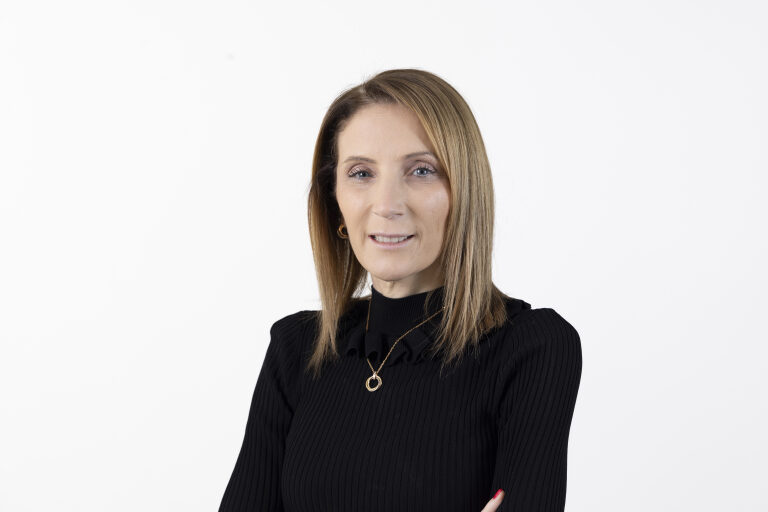



Nicola Trivett
General Manager & Sustainability Leader
One of the first conversations we have with clients is about sustainability. Most want to make responsible choices, but many still worry that going sustainable means sacrificing quality, appearance, or longevity.
The good news is that this is no longer the case.
After more than 25 years delivering interior fit-out projects across the UAE, I’ve watched sustainable materials evolve into some of the most innovative and high-performing options available. Today, choosing sustainability isn’t about compromise, it’s about making smarter choices without giving anything up.
Why Sustainable Materials Matter in UAE Fit-Out Right Now
The built environment generates a significant share of global carbon emissions, and materials sit right at the heart of that. According to the World Green Building Council, embodied carbon accounts for around 11% of global energy-related CO2 emissions. In a fit-out context, this means material choices have a direct and measurable impact on a project’s overall carbon footprint.
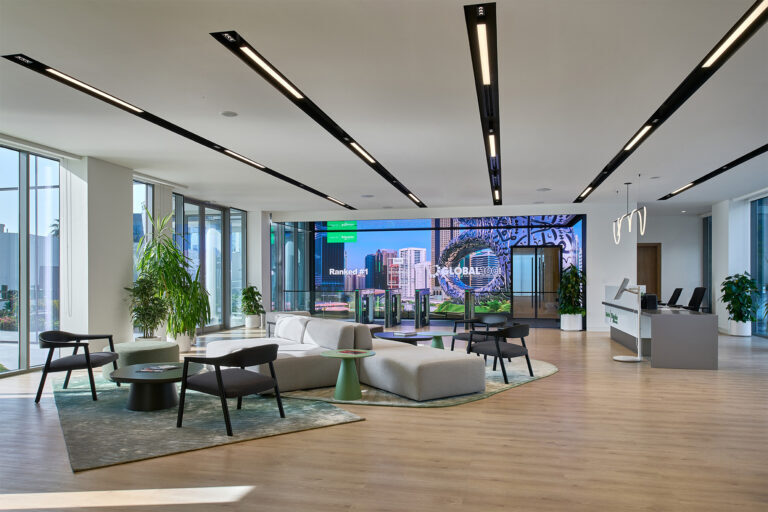
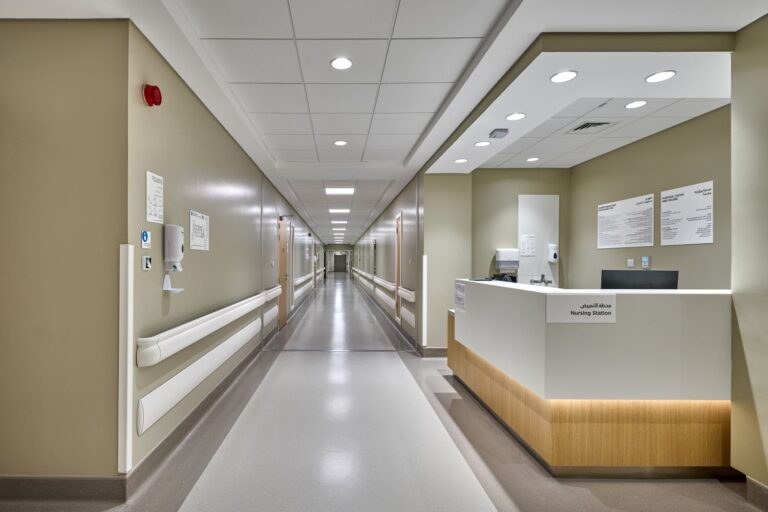
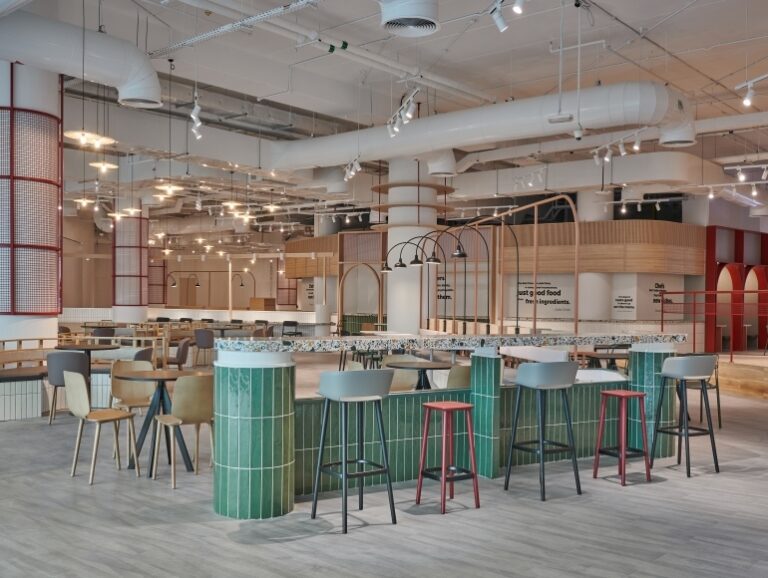
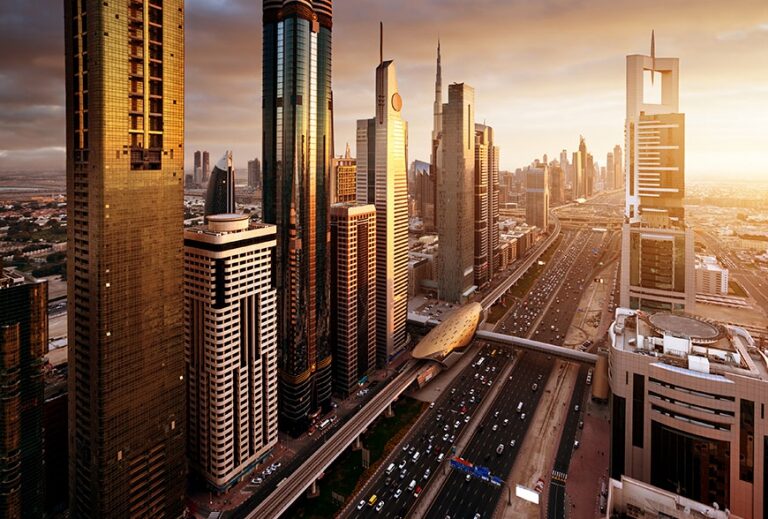
This matters even more here in the UAE. The country has committed to Net Zero by 2050, and Dubai’s Zero Waste by 2030 strategy is already shaping how commercial spaces are designed and built. Businesses that act on their material specifications now are not just doing the right thing. They are also future-proofing their spaces against tightening standards and rising expectations. At Summertown, we have seen this demand grow steadily across every sector we work in: Commercial offices, healthcare facilities, and hospitality spaces alike.
What Actually Makes a Material Sustainable
Not all sustainable materials are equal, and it helps to understand what genuinely separates a good choice from a poor one. At Summertown, we assess materials across several criteria. Environmental impact is always the starting point: How much carbon did this material generate to produce? What resources did it consume, and can it be recycled or repurposed at the end of its life?
Durability matters just as much as origin. A material that lasts twenty years is far more sustainable than one replaced every five, regardless of how it was manufactured. This surprises some clients, but longevity and sustainability genuinely go hand in hand.
Indoor air quality is another area we take seriously on every project. Many conventional paints, adhesives, and finishes contain volatile organic compounds, known as VOCs, which off-gas into the interior environment long after installation. For this reason, we specify low-VOC and zero-VOC products as standard. They protect the health of everyone who uses and works in the space. Sourcing is the final consideration: Where a material comes from, and how far it has travelled, contributes to its overall footprint. Whenever possible, we prioritise local suppliers. This supports the UAE supply chain and reduces lead times too.
The Sustainable Materials We Specify Most on Projects Across the UAE
Some of the materials we use every day are actually quite common now. You can easily find them in the UAE, and over the past 10 years their quality and performance have improved a lot.
Recycled glass is one of our most versatile options. It works well in worktops, feature walls, and decorative finishes. It catches light beautifully, and it carries none of the visual compromise people sometimes associate with recycled content. PET acoustic panels, made from post-consumer plastic waste, are another strong choice. They offer excellent sound absorption, which matters significantly in open-plan offices and F&B spaces. Furthermore, they keep real volumes of plastic out of landfills.
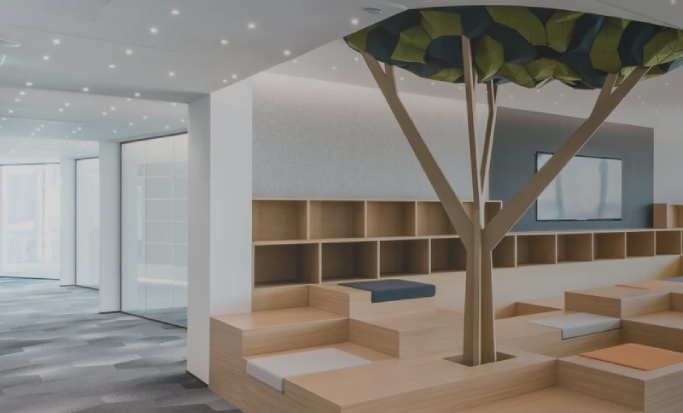
Reclaimed stone and timber bring something that no new material can offer: Character. Each piece is genuinely unique, and clients increasingly value that quality in a finished space. FSC-certified timber, bamboo, and cork bring natural warmth from responsibly managed sources. Bamboo in particular grows rapidly, requires minimal pesticides, and is exceptionally strong. It is one of the most genuinely renewable materials available for interior fit-out today.
Beyond these, we regularly specify low-carbon paints, recycled metal finishes, and locally manufactured joinery. Together, these choices can reduce a project’s embodied carbon substantially. However, the timing of those decisions matters just as much as the choices themselves. We explore this further in our Sustainabites video series, where Episode 3 looks specifically at how these materials perform on real UAE projects.
Why Acting Early Makes the Biggest Difference
The earlier material decisions happen in a project, the more influence they have on the overall outcome. This is something I come back to in almost every client conversation. As a project moves from design into procurement and then construction, the opportunities to change course narrow considerably. By the time work starts on site, many of the key choices are already fixed.
For this reason, we involve ourselves in the sustainability conversation from day one. When clients bring us in early, we can model different material options, compare their cost and carbon implications, and make clear recommendations before commitments are made. That process is where sustainable fit-out genuinely earns its value.
Material choices also feed directly into LEED certification. They contribute credits across sourcing, indoor air quality, and waste management categories. For clients working towards LEED certification in Dubai, getting this right from the outset is not just responsible. It is essential to reaching the target certification level.
The Business Case for Responsible Material Specification
Sustainability has to make commercial sense, and clients rightly want to understand the return. Durable, high-quality sustainable materials reduce replacement and maintenance costs over a building’s operational life. Spaces with strong indoor air quality support employee wellbeing and productivity. Beyond that, LEED-certified buildings in the UAE attract stronger occupant demand and can command higher rental values.
In 2025, Summertown achieved a 102% increase in annual turnover, exceeding our five-year average by 53%. (Source: Summertown Interiors ICV Certificate, 2025.) Growing demand for verified sustainable fit-out, including responsible material specification, has been a consistent driver of that growth. Clients across the UAE are asking for it, and the market is responding clearly.
What to Ask Your Fit-Out Contractor About Materials
If you are planning a fit-out project and want to make genuinely sustainable material choices, it is worth raising a few questions with your contractor early on. Ask how they assess the environmental credentials of the materials they specify. Find out whether they prioritise local sourcing, and if so, how that process works in practice. Ask what proportion of their projects achieve LEED or other green building certification, and how material choices contributed to those outcomes.
The answers will tell you a great deal. They show whether sustainability is genuinely embedded in how a contractor works, or whether it simply features in a pitch. At Summertown, we welcome those questions because they are the ones we ask ourselves on every single project.
To explore how responsible material specification could work on your next project, visit our Sustainability Hub or get in touch directly. We are always happy to talk through what is possible.

Nicola Trivett
General Manager & Sustainability Leader