






Nicola Trivett
General Manager & Sustainability Leader
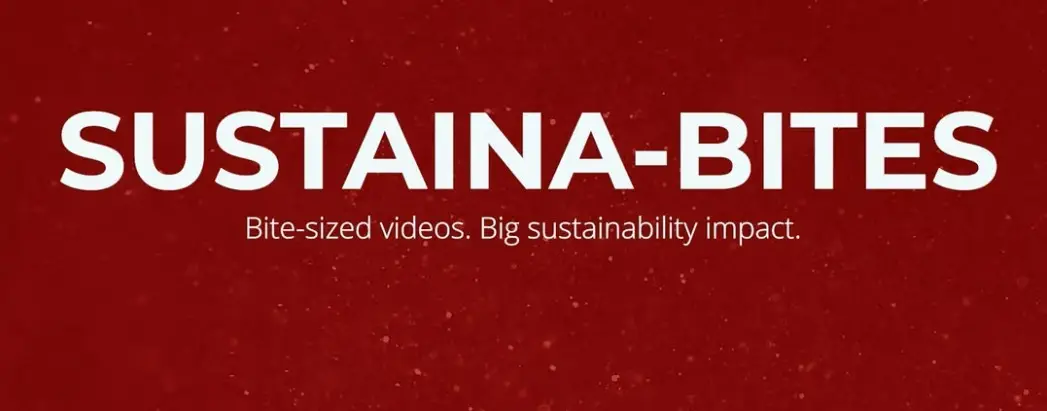
Great design should look good on the day a space opens. But the spaces that truly stand out are the ones still performing brilliantly years later. In the UAE, sustainable fit-out longevity is one of the most important and most underrated considerations in any commercial interior project. That idea sits at the heart of Episode 4 of Sustainabites, Summertown’s short video series on sustainable fit-out in the UAE.
This latest episode is about longevity. More specifically, it explores why durable, adaptable, and timeless spaces are better for the environment and better for the businesses that use them.
Why Longevity Is One of the Most Overlooked Sustainability Decisions
Sustainability conversations in fit-out tend to focus on materials, energy efficiency, or certification. These all matter. However, one of the most impactful factors rarely comes up early enough: How long will this space actually last?
The answer has real consequences.
Every renovation generates waste. Every replacement material carries an embodied carbon cost. Every refurbishment requires labour, logistics, and resources. When a space is designed to last, many of those costs simply do not arise.
The scale of the problem is significant. Research citing Ellen MacArthur Foundation data shows that the construction sector accounts for over 30% of natural resource extraction globally and generates around 25% of the world’s solid waste. (Source: Journal of Cleaner Production, citing Ellen MacArthur Foundation, 2020.) A large proportion of that waste comes from renovations and replacements that better design decisions could have avoided entirely.
What Designing for Longevity Looks Like in Practice
Designing for longevity means planning early for how a space will need to evolve. Businesses grow. Teams change. Ways of working shift. A space that cannot adapt to those changes will need replacing far sooner than one built with flexibility in mind.
In practice, this means several things. It means specifying materials that age well rather than date quickly. It means creating layouts that can be reconfigured without a full strip-out. It also means choosing finishes and furniture systems that can be updated gradually rather than replaced all at once. None of these are complicated ideas. But they all require thinking beyond the handover date from the very start.
Durability also makes strong financial sense. A space that performs well for fifteen years without major intervention delivers far greater value than one needing a full refurbishment after seven. When clients view fit-out investment through a lifecycle lens rather than a capital cost lens, the case for longevity becomes very clear.
Why This Matters Particularly in the UAE
The UAE’s climate places real demands on materials and finishes. Spaces that are not specified with durability in mind can deteriorate quickly. This leads to earlier replacement cycles and higher long-term costs. As the UAE works towards its Net Zero 2050 commitment, and as Dubai pushes towards Zero Waste by 2030, reducing the frequency of fit-out replacements is a practical and meaningful contribution to those national goals.
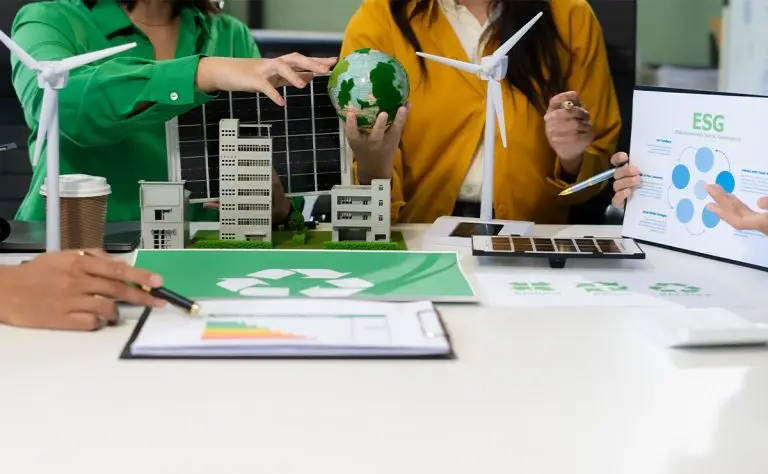
Furthermore, the demand for ESG-aligned spaces is growing steadily across the region. Businesses that invest in spaces built to last are not just reducing waste. They are also signalling a long-term commitment to responsible operations. That matters increasingly to clients, investors, and employees alike.
Summertown has built its approach to sustainable fit-out around this thinking for over 25 years. Specifying materials built to last, designing spaces that grow with a business, and helping clients think beyond the immediate brief are all part of how every project gets delivered.
Watch Episode 4 of Sustainabites
Episode 4 brings this thinking to life in a clear and accessible way. Watch it now on our LinkedIn, Instagram, and Vimeo channels.
For further resources on sustainable fit-out across the UAE, visit our Sustainability Hub. You can also explore how Summertown’s approach to sustainable interior fit-out creates spaces built to stand the test of time.

Nicola Trivett
General Manager & Sustainability Leader